Monthly Payments Available
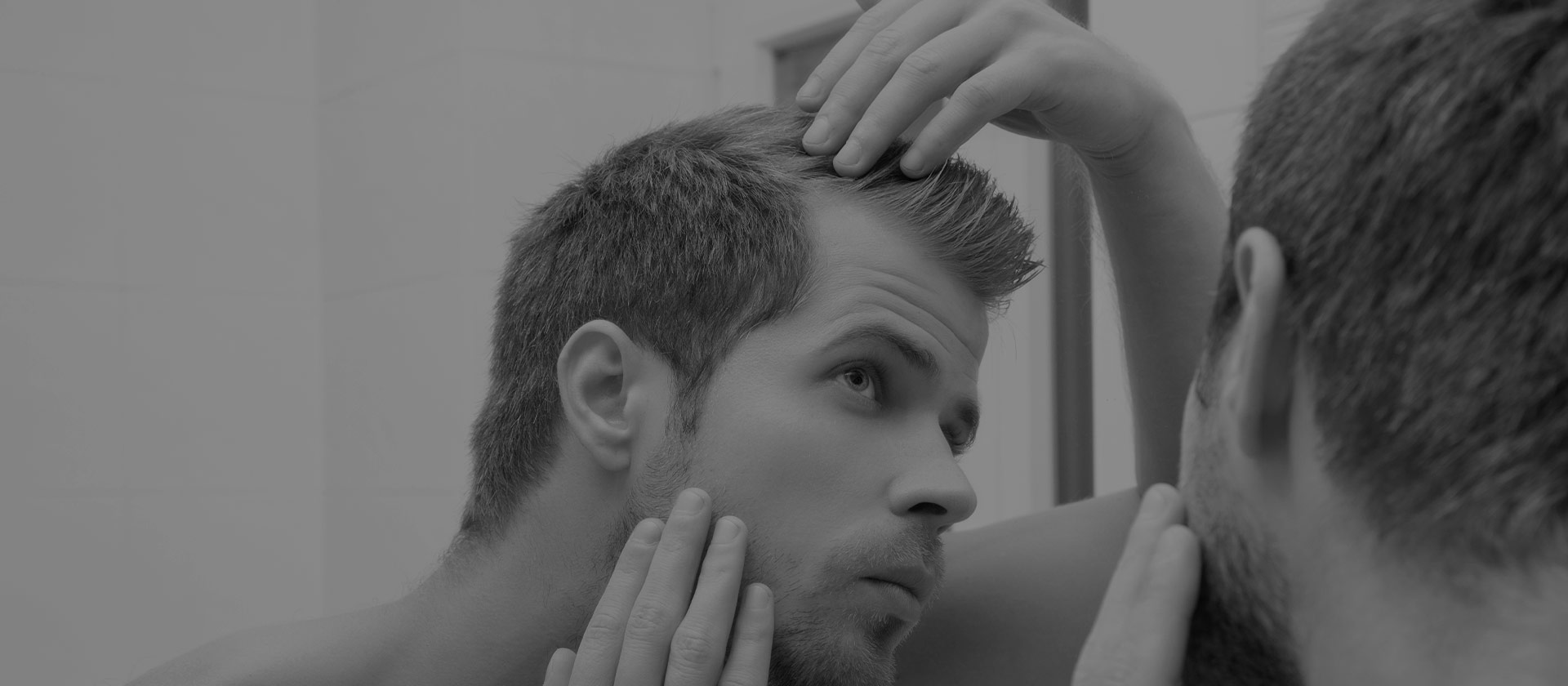
What Makes a Natural-Looking Hairline After a Hair Transplant?

Getting a natural-looking hairline takes more than just filling in where hair has thinned. The height, shape, transition zone, density, and hair growth direction all need to suit your face, your current hair, and how your hair might change over time. At Avance Hair Transplant, we look at all these details when planning your personalized hair transplant in Reno.
Why Is Hairline Design So Important?
Your frontal hairline is usually the first thing people notice after a transplant. If the line sits too low, looks too straight, or doesn’t match your temples, it can look unnatural even once the hair grows in. Research on hairline design shows your surgeon needs to define the hairline’s borders and visual zones while making sure the donor supply matches the area that needs hair. Your hairline design should fit your face, not follow a one-size-fits-all template.
What Helps a Transplanted Hairline Blend In?
During planning, the surgeon may evaluate:
- hairline height and overall contour a soft, irregular transition zone
- the angle and hair growth direction
- finer single-hair grafts near the front
- facial proportions and temple shape
- available donor hair and future loss
Even small choices can change how your hairline looks in the end. Natural hairlines have subtle differences, so making everything perfectly even or dense along the front can actually make the transplant stand out.
Why Can’t You Just Recreate Your Teenage Hairline?
Hair loss usually keeps going as you age. If your hairline is set too low, you’ll use more donor hair now and may not have enough left if other areas thin out later. A clinical review of natural hairline planning describes the value of age-appropriate placement, controlled irregularity, frontotemporal angles, and a feathered transition zone. A conservative design may continue to suit your face and hair pattern as they change.
Does FUE Automatically Create a Natural Result?
No. FUE describes how follicles are harvested, not how the new hairline is designed. With a FUE hair transplant, the recipient sites still require careful placement, angulation, distribution, and density planning. Surgery can’t create unlimited donor hair, stop hereditary hair loss, or promise a certain density. Your own hair and donor supply set the real limits on what one procedure can do.
Why Does In-Person Planning Matter in Reno?
When you come in for a consultation, your surgeon can check your donor density, see your hair growth direction, and make sure the new hairline fits your features from every angle. At Avance Hair Transplant, Dr. Erez Dayan uses his Harvard plastic surgery and aesthetic-surgery fellowship training to plan your procedure with care. If you’re in Reno, Carson City, Truckee, or Lake Tahoe, you can review your hairline design in person and come back for follow-up as you heal and your hair grows.
Natural-Looking Hairline FAQ
Should a transplanted hairline be perfectly symmetrical? Usually, no. A little irregularity at the front helps your new hairline look more natural. Can the hairline be lowered later? It’s possible, but your surgeon needs to look at how much donor hair you have left, where grafts were placed before, and what might happen with future hair loss.Will a natural-looking hairline look dense immediately? No. Transplanted hair takes time to grow in, and how dense it looks depends on your own hair.
Plan Your Hair Transplant in Reno
Set up a consultation with Avance Hair Transplant to talk about your goals with Dr. Dayan. He’ll look at your hair, donor hair, facial proportions, and long-term pattern before recommending a hairline design that fits you.
Medically reviewed by Erez Dayan, M.D. on
Posted on behalf of
5588 Longley Lane, Suite C
Reno, NV 89511
Phone: (775) 300-2000
Email: [email protected]